Neural & behavioral data
AI methods for modeling and interpreting complex, high-dimensional neural and behavioral recordings.

Toward AI systems that form hypotheses, design experiments, and refine their own understanding of neural systems.


AI and neuroscience have long evolved in tandem — early AI drew inspiration from the brain, and modern AI has now reached a capability that can fundamentally reshape how neuroscience is done.
This workshop explores a phase in which AI moves beyond data analysis and modeling to become an active participant in scientific discovery. We take inspiration from the history of neuroscience — how transformative ideas about the brain were conceived, tested, and refined — and build toward a more ambitious question:
Can AI systems learn to generate and pursue scientific insight at superhuman scale?
We envision discoverative AI systems that do not merely process data, but continuously formulate hypotheses, design experiments, generate data, and iteratively refine their understanding of neural systems — shifting from stochastic, human-expert-limited hypothesis generation to expansive, automated exploration of the brain's complexity.
Where NeuroAI efforts (e.g. at CSHL and NIH) build next-generation AI inspired by the brain, this workshop emphasizes the reverse direction: leveraging modern AI to advance neuroscience itself — systems that generate hypotheses, design experiments, and participate in iterative scientific discovery.
The workshop explores methods and questions that move neuroscience from prediction and pattern-recognition toward mechanistic understanding.
AI methods for modeling and interpreting complex, high-dimensional neural and behavioral recordings.
Scientific reasoning and automated hypothesis generation about how neural systems work.
AI-driven experimental design, active learning, and closed-loop neuroscience.
Causal inference and mechanistic models that move past correlation toward how the brain computes.
Multimodal and foundation models trained across diverse brain and behavior datasets.
Brain-inspired and memory-centric AI architectures.
Agents that plan, reason, and act within iterative discovery workflows.
Datasets, simulation environments, and evaluation frameworks for discoverative systems.
Our invited experts bring perspectives spanning neuroscience, artificial intelligence, research strategy, and scientific innovation.
30-minute talk + 5-minute Q&A
Audience questions and direct discussion

Dong Song is an associate professor of neurological surgery and biomedical engineering at USC and director of the Neural Modeling and Interface Laboratory. His research combines computational neuroscience, nonlinear dynamical modeling, and neural-interface technologies to understand learning and memory in the hippocampus. A major focus of his work is developing biologically interpretable brain models and biomimetic neural prostheses that can restore or enhance cognitive functions impaired by neurological disease or injury.

Shaul Druckmann is an associate professor of neurobiology and psychiatry and behavioral sciences at Stanford University. His laboratory combines neural-population recordings, mathematical theory, and circuit analysis to understand how brain networks represent information and perform computations. His research on distributed and resilient memory systems offers biological principles for developing more robust and interpretable AI.
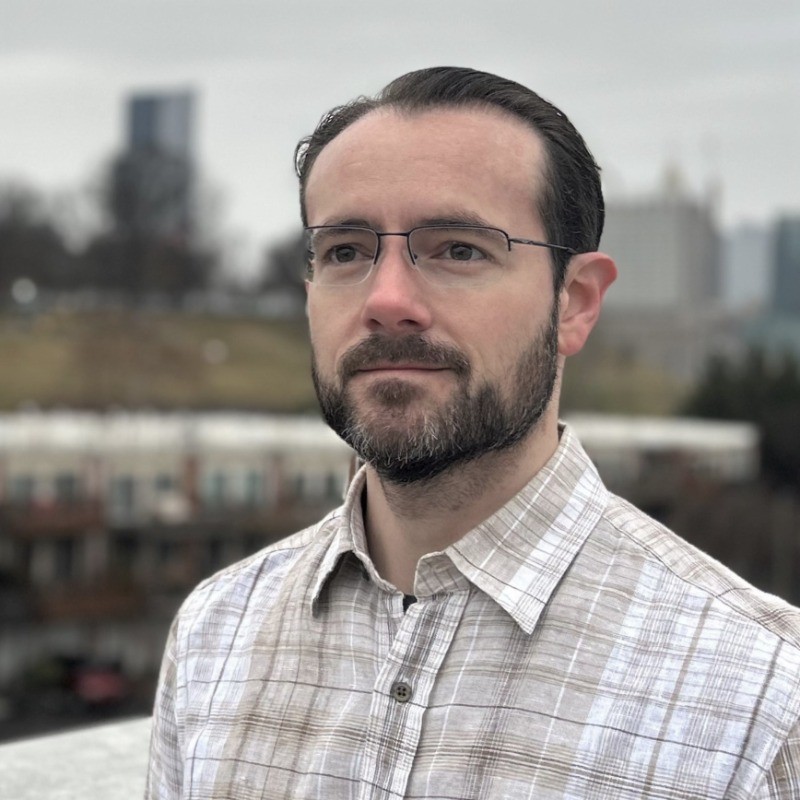
Joseph Monaco is a scientific program manager in the Office of the BRAIN Director at NIH/NINDS, where he helps shape and advance NeuroAI research. He has played an active role in organizing NIH BRAIN NeuroAI workshops, building connections between the neuroscience and AI communities, and identifying opportunities for transformative research at their intersection. A computational neuroscientist by training, his work explores how neural dynamics underlying memory, navigation, and embodied behavior can inspire more adaptive, flexible, and biologically grounded AI systems.

Yan Liu is the Fletcher Jones Foundation Chair in Computer Science and a professor of computer science, electrical and computer engineering, and biomedical sciences at USC. Her research focuses on machine learning and artificial intelligence, particularly time-series modeling, explainable AI, and efficient optimization, with applications in healthcare, sustainability, and social systems. She also directs USC’s Center for Machine Learning and co-chairs the Institute of Ethics and Trust in Computing.
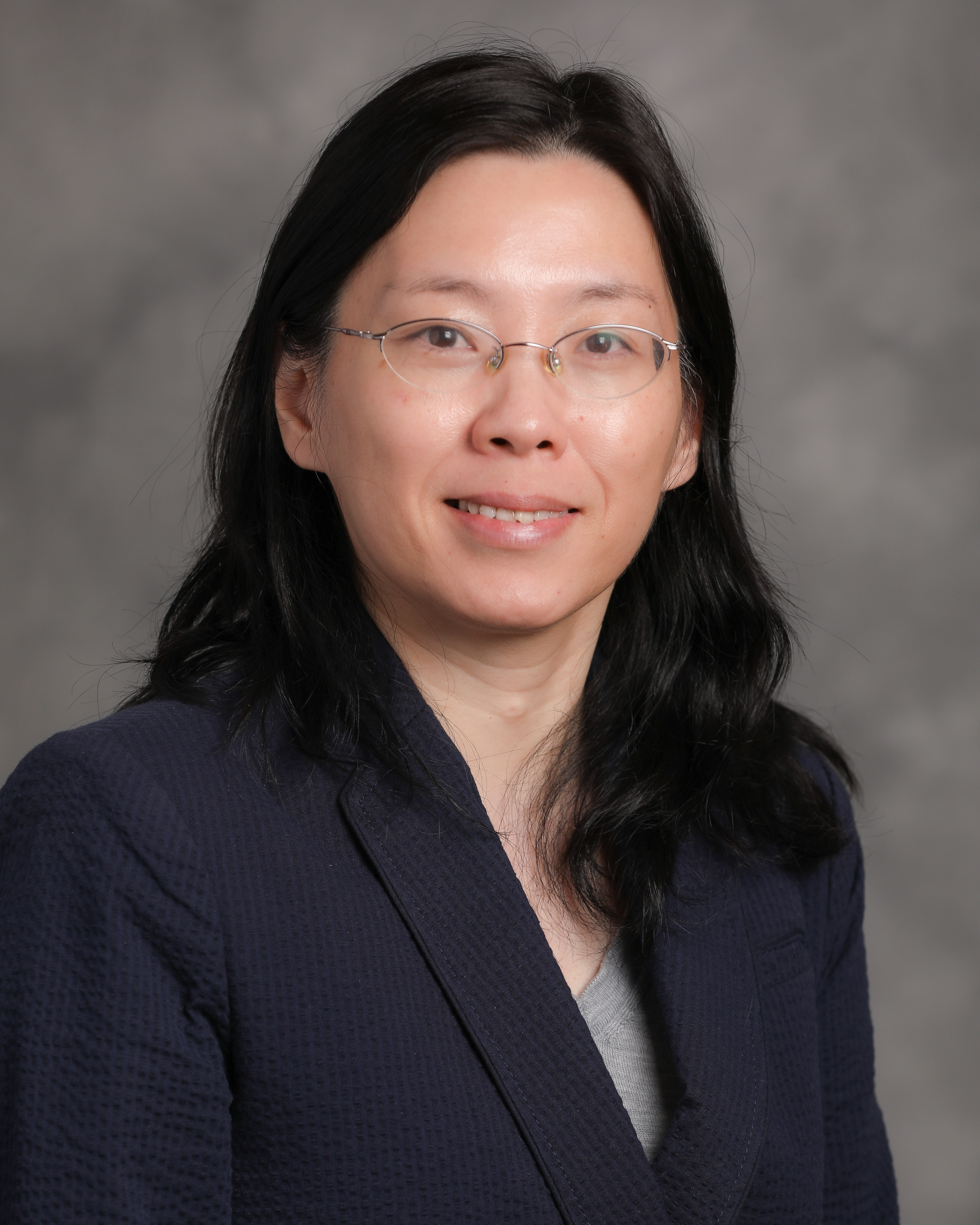
Wei Wang is the Leonard Kleinrock Chair Professor of Computer Science and Computational Medicine at UCLA and director of the Scalable Analytics Institute. Her research develops machine-learning and data-mining methods for large, complex biomedical datasets, including work in causal discovery and computer-assisted experiment planning. Her work demonstrates how AI can move beyond recognizing patterns to help scientists generate hypotheses and design more informative experiments.
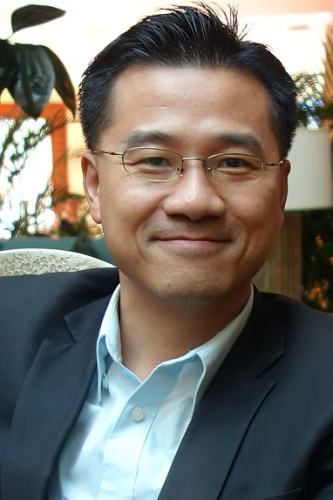
Charles “Chuck” Ng is an entrepreneur and technology investor who co-founded Eureka Therapeutics and has invested in or advised companies including Databricks, Ironclad, Mammoth Biosciences, Meta, and Alibaba. As co-founder of the Foundation for Science & AI Research, he focuses on building collaborations among leading scientists, AI researchers, institutions, and industry. He brings a practical perspective on how AI-driven scientific ideas can attract support, cross institutional boundaries, and become real-world innovations.
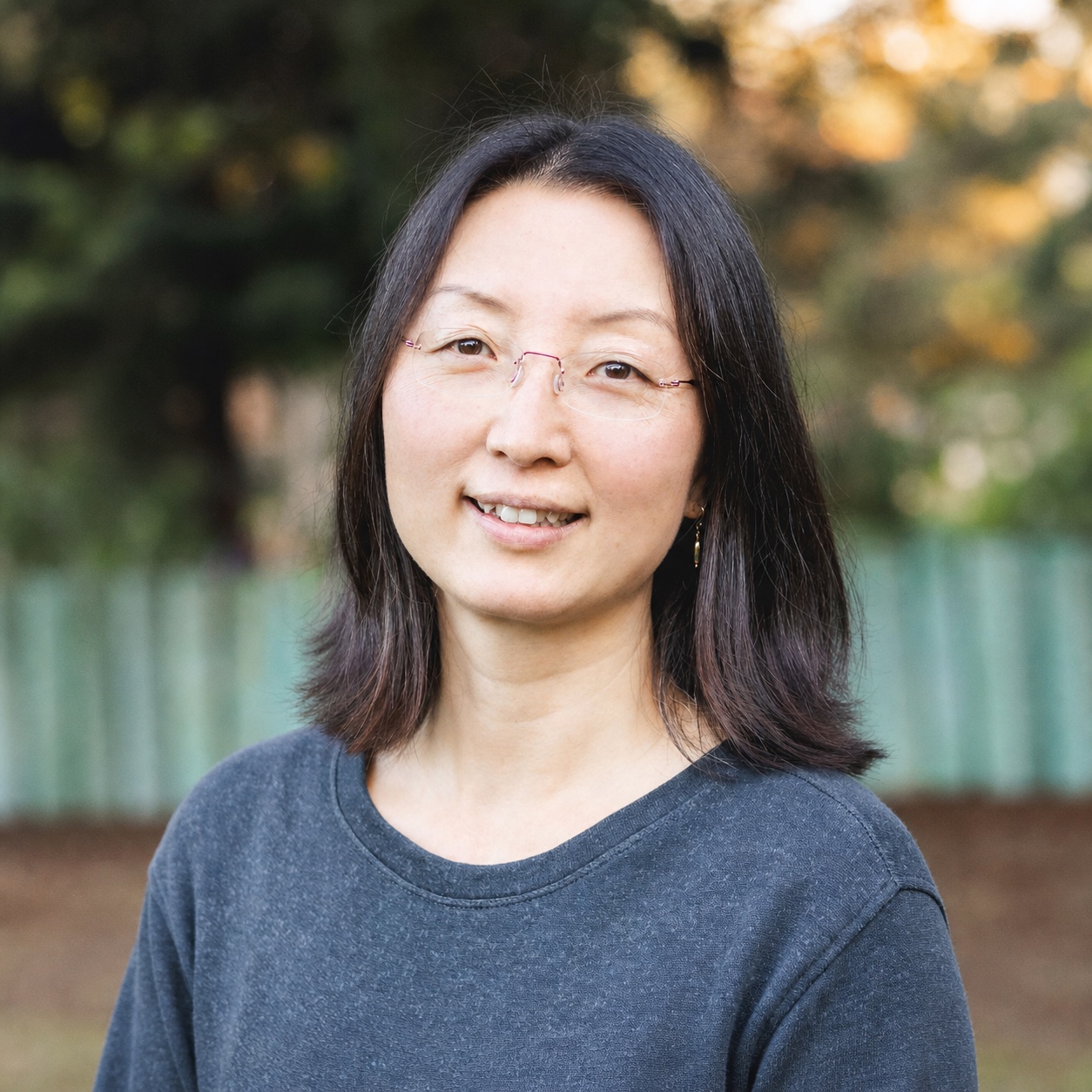
Lu Chen is a professor of neurosurgery and of psychiatry and behavioral sciences at Stanford University and a member of the Wu Tsai Neurosciences Institute. Her research investigates the cellular and molecular mechanisms governing synaptic function and plasticity in the developing and mature brain. A major focus of her work is homeostatic synaptic plasticity, including how local protein synthesis and retinoic-acid signaling regulate synaptic strength and contribute to neurodevelopmental disorders such as Fragile X syndrome.

Dongjin Song is an associate professor in the School of Computing at the University of Connecticut. His research develops foundational AI and machine-learning methods for time-series analysis, graph-structured data, and continuously evolving systems. His work spans foundation models, large language models, multimodal and agentic AI, continual learning, and domain generalization, with an emphasis on trustworthy and interpretable decision-making in healthcare, biomedicine, environmental science, and other complex real-world applications.
Moderated by Dongjin Song and Dong Song, this audience-facing conversation invites attendees to ask questions, interact directly with panelists, and explore open challenges, future directions, and opportunities for collaboration.
Invited presentations, audience Q&A, and a closing panel bringing together AI and neuroscience communities.
Join for an in-person discussion of discoverative AI for understanding the brain.


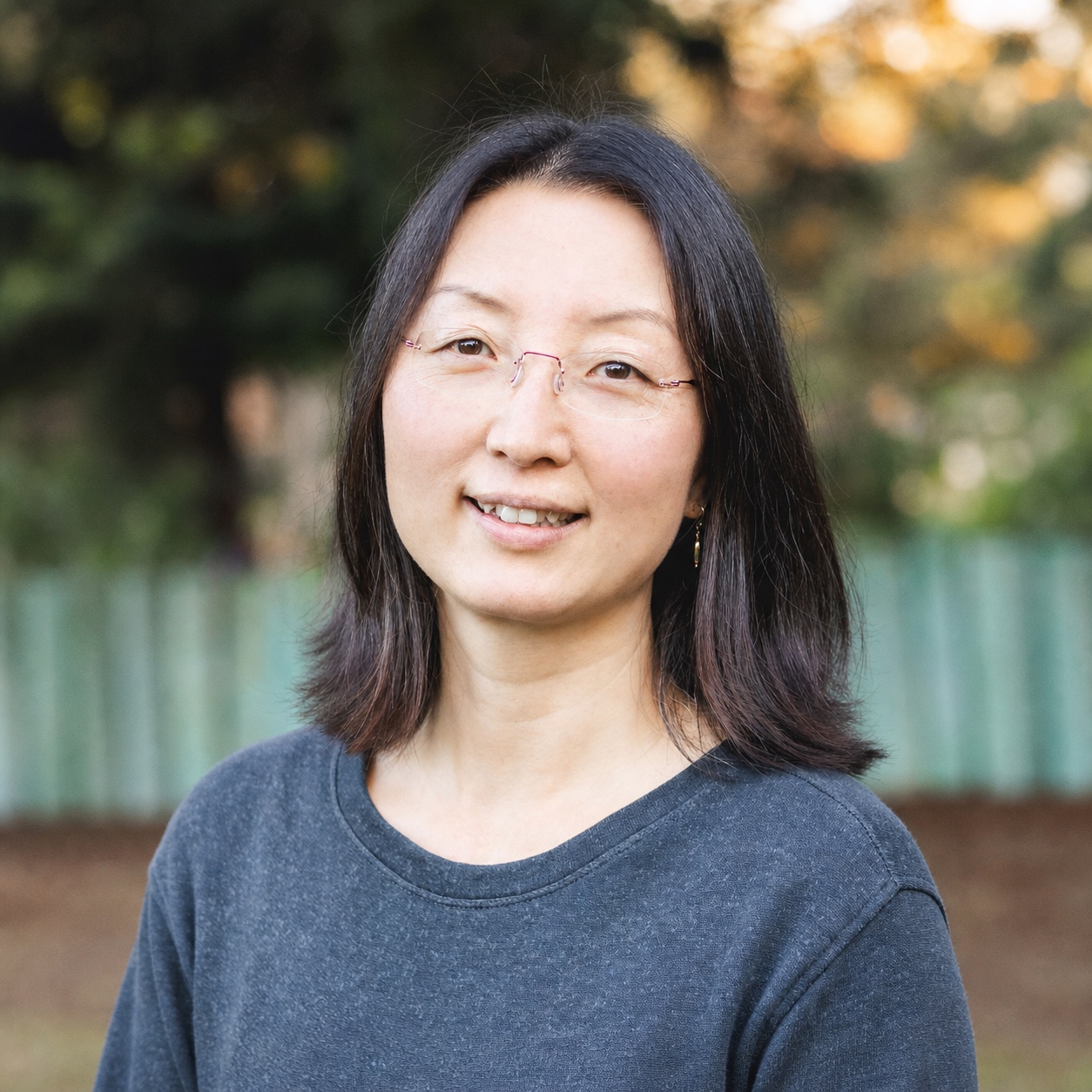
All participants register through the official AIAS+ 2026 portal.
Workshop registration is handled entirely through the AIAS+ 2026 Symposium — there is no separate registration system for this workshop.